
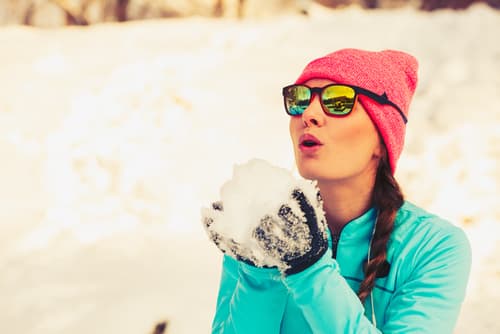
Winter weather safety is about more than just wearing a hat and mittens. Cold temperatures and accompanying precipitation can stress a healthy body in multiple ways. If you suffer from a chronic condition, your risks of winter weather problems can increase. Let’s look at ways to protect yourself in the coldest temps while still enjoying winter.
Champion Circulation
When you spend too much time in cold weather, blood vessels constrict. The result is reduced blood flow and, eventually, a feeling of numbness in fingers and toes. Oxygen delivery to vital tissues can be compromised, which prevents the body from functioning and repairing optimally.
Dress warmly in the winter and limit the amount of time outdoors even when you’re wearing the proper gear. Improving circulation through osteopathic treatment like lymphatic drainage and soft tissue manipulation can help encourage blood flow, which is great for keeping the body warm and flexible and supports immunity against winter illnesses like frostbite.
Know Your Body’s Limitations
If you have a chronic condition, are an older adult, or have a serious disease, you may be at a higher risk for a cold-related illness like hypothermia because of:
- A reduced ability to regulate body temperature.
- A faster loss of heat.
- Inability to recognize hypothermia symptoms.
- Medications that affect alertness or circulation.
You don’t have to avoid the cold entirely, but it is necessary to be cautious about the effects of cold and whether you are prepared for whatever deep temperatures dish out.
Make Smart Winter Weather Safety Choices
Preparation is key to smart winter weather safety choices. You never want to be caught without knowing how to get into a warm location or protect yourself from bad weather conditions.
- Observe temp and windchill factor. Pay attention to temperature – and windchill. Wind has a significant impact on overall temp and can increase heat loss.
- Make a plan and honor it. Plan your outside time – with a beginning and an end – and identify places to warm up while you are out.
- Always have company. Whether you are shoveling or exercising or just enjoying the weather, share your location and check in with a trusted person if you’re outside alone.
- Prep your vehicle. Make sure your vehicle is prepared for anything you need, including at least a half-full gas tank, blankets, coats, a charged phone, and water.
- Avoid falls. One of the most serious winter injuries are falls on ice or black ice, which can lead to fractures, head injuries, and breaks.
Reduce Your Winter Weather Safety Risks
Don’t underestimate winter weather risks. The temperature may go up and the snow may melt, but all the same precautions should stay in place, especially if you live with a chronic condition that affects your immune system, mobility, and overall wellness.
Check in frequently with your body and listen to what it’s telling you. Your skin and organs and muscle needs in winter weather are different than in summer. Prioritize comfort and warmth and if you don’t feel either, it’s time to go inside.
Contact me, Dr. Maria Swetech, to make an appointment and get support in any season.
Nothing in this blog is official medical advice. See your doctor for customized care.